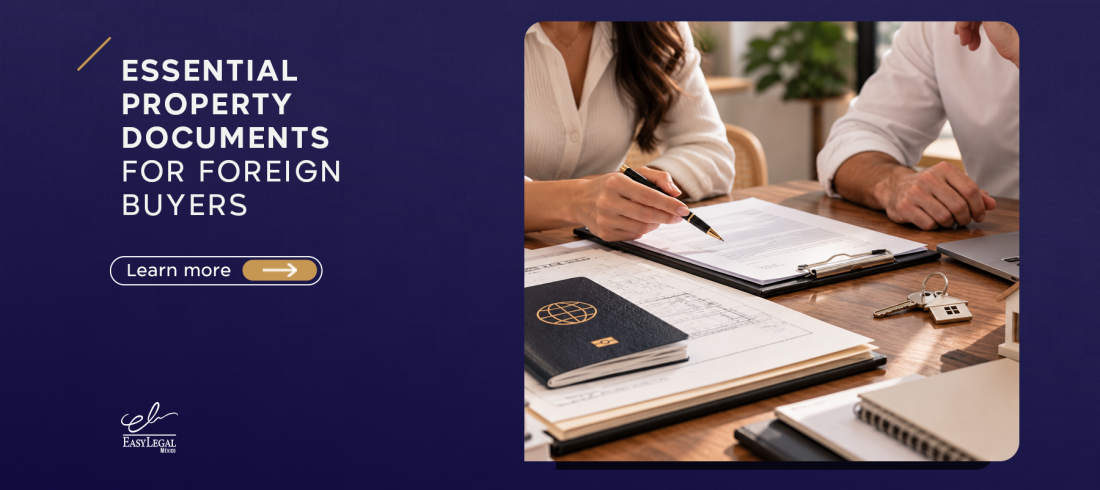

Foreign buyers purchasing property in Mexico should expect a transition period that typically lasts 60 to 90 days to have the fideicomiso formed and the deed signed, and up to 180 days to have it inscribed in the public registry. The duration depends on factors such as property location, documentation requirements, and transaction complexity. Understanding property transaction timelines prevents costly delays and ensures compliance with Mexican property law, which requires non-Mexican nationals to establish a fideicomiso (bank trust) for coastal and border properties or obtain government permits for direct ownership elsewhere.

What Is the Restricted Zone and How Does It Affect Timelines?
The restricted zone includes any property within 100 kilometers of an international border or 50 kilometers from the coast. Foreign buyers cannot hold direct title to land in these areas. Instead, Mexican law requires establishing a fideicomiso through a Mexican bank, which acts as the trustee while the foreign buyer maintains all beneficial rights to the property.
Setting up a fideicomiso typically takes 30 to 60 days from the initial purchase agreement. This timeline includes obtaining a permit from the Ministry of Foreign Affairs, selecting a trustee bank, drafting the trust agreement, and recording the transaction with the Public Registry of Property. Banks charge annual fees of $522 USD a year for one property.
How Do You Calculate Realistic Move-In Dates?
Property transition timelines should account for both legal processes and physical relocation logistics. Once closing is complete, buyers moving household goods across international borders face customs clearance requirements that add 7 to 21 days to furniture delivery schedules. There are many useful tools that can help you streamline your relocation and coordinate these moving parts, particularly when coordinating international movers, customs brokers, and temporary housing.
The Mexican government requires a household goods inventory submitted to customs at least 48 hours before the moving truck crosses the border. Items prohibited or restricted include used mattresses, certain electronics, and firearms. Customs processing at major crossings like Tijuana or Nuevo Laredo typically clears in 1 to 3 business days, though agricultural inspections can extend this period.
How long does fideicomiso approval take?
The Ministry of Foreign Affairs (Secretaría de Relaciones Exteriores) issues permits in approximately 5 to 20 days once all documentation is submitted. Required documents include a valid passport, proof of legal residence status, the purchase agreement, and a certificate of no liens from the Public Registry. Incomplete applications or properties with title defects can extend this period to 90 days or longer.
Processing accelerates when buyers work with a notario público—a government-appointed attorney who verifies legal documents and oversees real estate transactions. Notarios charge fees equal to 4% to 7% of the property’s declared value, covering both their services and government registration costs.
What Are the Steps Between Offer Acceptance and Closing?
The transition from accepted offer to closing follows a structured sequence in Mexico. Buyers typically sign a promissory purchase agreement (contrato de promesa de compraventa) within 10 days of the initial offer, accompanied by a deposit of 10% to 30% of the purchase price. This agreement legally binds both parties and establishes the closing date.
Title searches and due diligence occur during the next 30 to 45 days. The notario público reviews property records to confirm ownership, verify boundaries, check for liens or encumbrances, and ensure property taxes are current. Buyers should also order an independent appraisal and property survey during this window.

Why do foreign buyers need extra documentation time?
Foreign buyers must present apostilled documents: official certifications that validate documents for use in Mexico under the Hague Apostille Convention. Birth certificates, marriage licenses, and corporate formation papers require apostilles from the issuing country’s designated authority. Obtaining apostilles and certified translations adds 15 to 30 days to the timeline, particularly for documents originating outside North America.
Mexican banks conducting the fideicomiso require additional background checks and financial documentation from foreign nationals. These compliance reviews, mandated by anti-money laundering regulations, can add 10 to 20 business days to the approval process.
What permits affect post-closing timelines?
Buyers planning renovations face additional permitting timelines. Municipal construction permits in tourist destinations like Playa del Carmen or Puerto Vallarta take 30 to 90 days to obtain, depending on project scope. Major structural changes require environmental impact studies in ecologically protected zones, adding 60 to 120 days to the approval process.
Homeowners associations (condominiums and gated communities) often impose their own approval procedures for modifications. These internal reviews typically require 14 to 30 days and may restrict renovation schedules to specific months to minimize disruption to neighbors.
What Risks Emerge from Rushed Timelines?
Accelerating property transitions without proper legal review exposes buyers to title defects, zoning violations, and tax liabilities. Properties sold below market value often carry hidden liens or unpaid property taxes that transfer to the new owner at closing. The notario público’s title search catches most issues, but rushing this 30-day review increases the risk of oversight.
Buyers who skip independent property surveys occasionally discover boundary disputes or easements that restrict property use. Resurveying costs $800 to $2,000 USD but prevents future legal challenges from neighbors. Official surveys conducted by licensed topographers carry legal weight.
How does tax compliance affect timeline planning?
Property tax verification requires obtaining a certificate of no tax debt (certificado de no adeudo) from the local municipal treasury. This document confirms all property taxes are current and typically issues within 5 to 10 business days. Properties with unpaid taxes cannot legally transfer until the seller clears all arrears—a process that extends closing by 30 to 60 days if tax disputes require municipal review.
Capital gains taxes on the seller’s side can also delay closings. Foreign sellers must obtain a tax clearance certificate from Mexico’s tax authority (SAT), which involves calculating capital gains on the sale and either prepaying the tax or securing a bond. This process adds 15 to 45 days to the timeline depending on the property’s purchase history and the seller’s tax residency status.

What Timeline Should Buyers Build Into Their Planning?
Conservative planning assumes 120 to 150 days from offer acceptance to move-in for restricted zone properties requiring fideicomisos. Properties outside the restricted zone where direct ownership is permitted reduce this timeline to 60 to 90 days, since buyers avoid the Ministry of Foreign Affairs permit process.
Additional buffer time applies to properties sold through deceased estates, foreclosures, or corporate sellers. Estate sales often require probate proceedings that extend timelines by 90 to 180 days. Bank-owned properties sold through foreclosure may carry title complications requiring judicial review, adding similar delays.
Buyers should coordinate with their real estate agent, notario público, and international moving company to establish a realistic schedule. Most successful foreign buyers begin documentation gathering—apostilles, financial statements, passport renewals—at least 60 days before their target closing date. Starting the fideicomiso application immediately upon signing the promissory purchase agreement keeps the transaction on schedule.
Plan Your Property Transaction Timelines
Property transitions in Mexico operate on legal timelines that cannot be rushed without legal risk. Foreign buyers who respect these procedural requirements and plan accordingly avoid the stress of extended hotel stays, storage fees for delayed belongings, and the financial penalties associated with renegotiating closing dates. Working with experienced local professionals and building appropriate cushion into timelines ensures a smooth transition to property ownership.